
How to dress for ski touring?
Ski touring is an intense activity with two phases: the ascent and the descent. Just like when snowshoeing, you will be facing cold and snow during intense efforts. The clothing must therefore be sufficiently insulating, protective, but also breathable. In order to choose the right clothing, here is what to wear for ski touring.
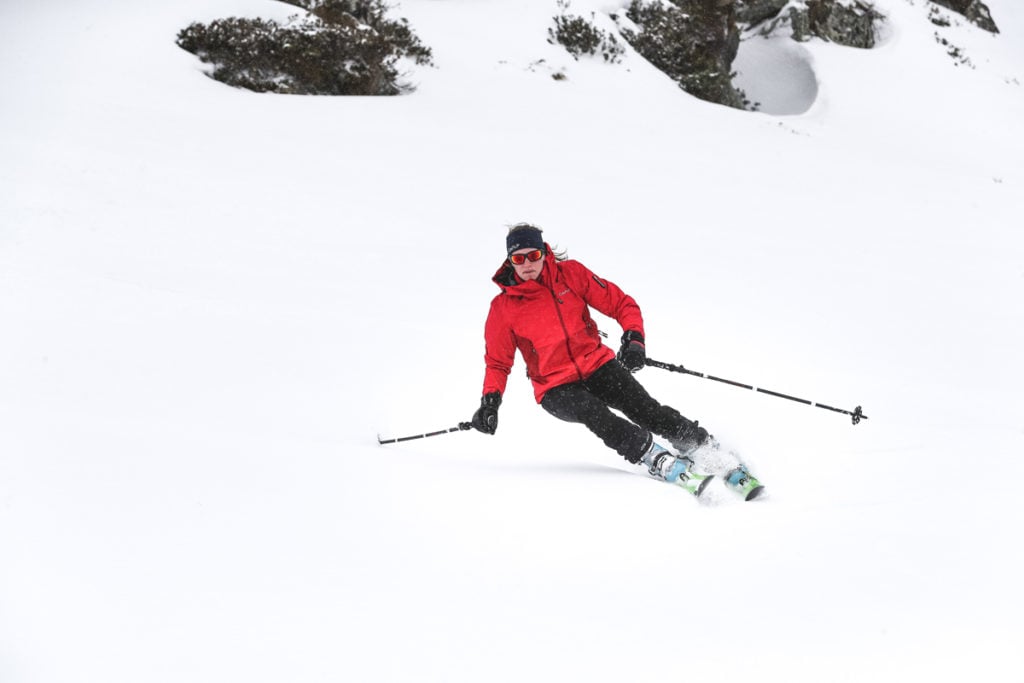
Wear breathable and insulating clothing
The breathable base layer
The base layer allows perspiration to be efficiently evacuated while guaranteeing good thermal regulation. Worn next to the skin, it is essential for ski touring. It can prevent critical situations such as hypothermia. For the upper body, a long-sleeved t-shirt is preferable. For the bottom, ¾ length winter tights are ideal. For the material, we advise you to choose clothes made of merino wool, synthetic or silk.
The second insulating layer
During the effort phase, you don't need a very insulating second layer like a down jacket or thick fleece. It is better to use a micro-fleece or a light, breathable fleece. You can choose a heavier weight if you plan to hike in very cold weather.
For rest periods, you can also bring a down jacket. It has the advantage of being compressible and can be very useful during long stops.
Choose protective clothing
The waterproof jacket
When choosing your ski touring clothing, protective clothing is essential. A jacket with a waterproof and breathable membrane is perfect for this type of activity. If you want to be sure that you can withstand snowfall or rain, choose a 20,000mm Schmerber waterproof jacket.
Details include ventilation zips under the arms for better breathability, reinforcements in the shoulders and elsewhere for carrying a ski bag, and a hood large enough to fit over a ski helmet for optimum protection.
Ski touring trousers
Three-layer trousers with an integrated membrane can be an excellent choice for ski touring. They provide excellent protection against the elements (wind, snow, moisture, etc.). They are also ideal for climbing, especially when they have pre-shaped knees, ventilation zips and integrated gaiters.
Softshells
Softshell is also an option for dressing for ski touring. Softshell jackets and trousers can be used when conditions are mild (no risk of rain or snowfall). Their flexibility gives you greater freedom of movement, excellent breathability and good protection against the wind.
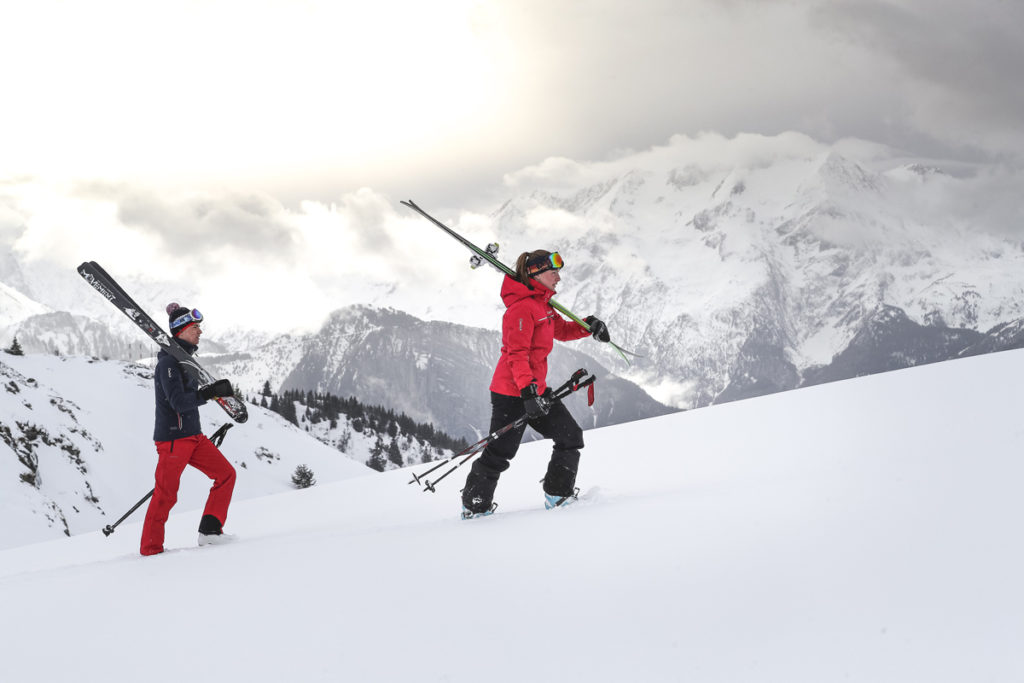
Protecting the extremities of the body
Protecting the head
When ski touring, it is important to protect your head from mountain hazards such as falling rocks, boulders, trees and snow. To do this, it is important to wear a helmet dedicated to this activity. It is generally lighter and more breathable than an alpine ski helmet. You should also wear a hat and a neck warmer or balaclava. These accessories will protect your head and neck from the cold and wind.
Finally, sunglasses for uphill skiing and/or a goggle for downhill skiing will protect your eyes from UV rays, but also from the snow and wind.
Hand protection
During the ascent phase, you should wear soft, breathable gloves. They will be perfect for handling the skins of your skis, for example, and will allow you to hold your poles properly.
During the descent phase, bring gloves or mittens. They are warmer and more resistant than climbing gloves. If it is cold, you can also wear a pair of under-gloves for the duration of your mountain trip.
Foot protection
To protect your feet, it is essential to have good woolen ski socks. They keep you warm and generally protect you from your toes to your knees.
Finally, consider investing in gaiters if your touring trousers don't come with them. Their role is to prevent snow or rain from getting into your boots.
Dressing for ski touring means wearing sufficiently technical clothing to regulate your body heat; protect you from the cold; prevent heat escaping from the extremities of your body; and protect you from all external elements (weather and natural elements).