
How to dress for the GR20?
Are you planning to do the GR20? This long-distance hiking trail crosses Corsica from north to south. It is a mountain trail, sometimes called the "most difficult path in Europe", because it includes technical passages and a total height difference of about 11,000 metres. The GR20 has 16 stages, so it is important to be well equipped to be able to hike for several days without problems. We explain how to dress for the GR20 in complete safety.
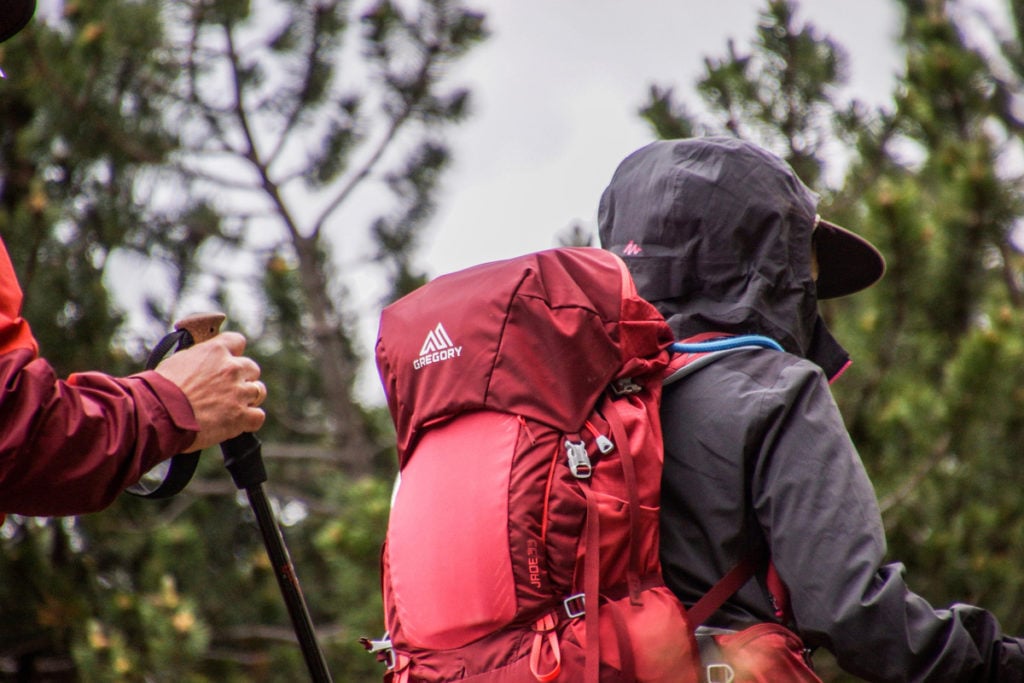
Image by rottonara from Pixabay
Criteria to take into account when dressing for the GR20
How to dress for the GR20 will depend on a number of factors, not least of which is how long you think you will need to complete the trek. If you want to do it as a trail in a few days, you will tend to wear light, breathable clothes and take the minimum amount of clothing. If you are doing the GR20 in a more traditional way, over more or less 16 days, you will take more versatile, protective clothing and bring more.
The choice of clothing also depends on the time of year and the weather. In summer, you can take light clothes, but it is important to also take clothes to protect you from the weather. In winter, mountaineering clothing is mandatory
Clothing for the upper body
The three layer system is the most effective for a long trek like the GR20. To dress your upper body, you can take a technical t-shirt as the first layer. While merino wool is best suited to being worn for several days, as it does not retain odours, you can also turn to synthetic materials. In terms of the number of T-shirts, you can have two or three, including one with long sleeves if it's colder.
For your second layer, you can take a fleece or a micro-doudoune which will keep you well insulated. Finally, your third layer should protect you from bad weather, which is common in the mountains. Avoid a rain cape, which is not very breathable and not very practical in the event of wind, and instead opt for a windproof and waterproof jacket such as a Gore-Tex® jacket.
Finally, although a softshell can be very practical, it is not recommended for such a long trek, as it is not as protective as a hardshell against bad weather.
Clothing for the lower body
For the lower body, there are several options. If you're hiking in the summer, you can take lightweight hiking trousers, shorts or even convertible trousers for versatility. It's also a good idea to pack a second pair of trousers that are more technical, have reinforcements in strategic places, are waterproof or more insulating.
If your trousers do not have rain protection, you can also buy a pair of waterproof overtrousers. Finally, in case of cold weather, you can take a pair of leggings that can be worn under your trousers. They are also very useful for bivouacs.
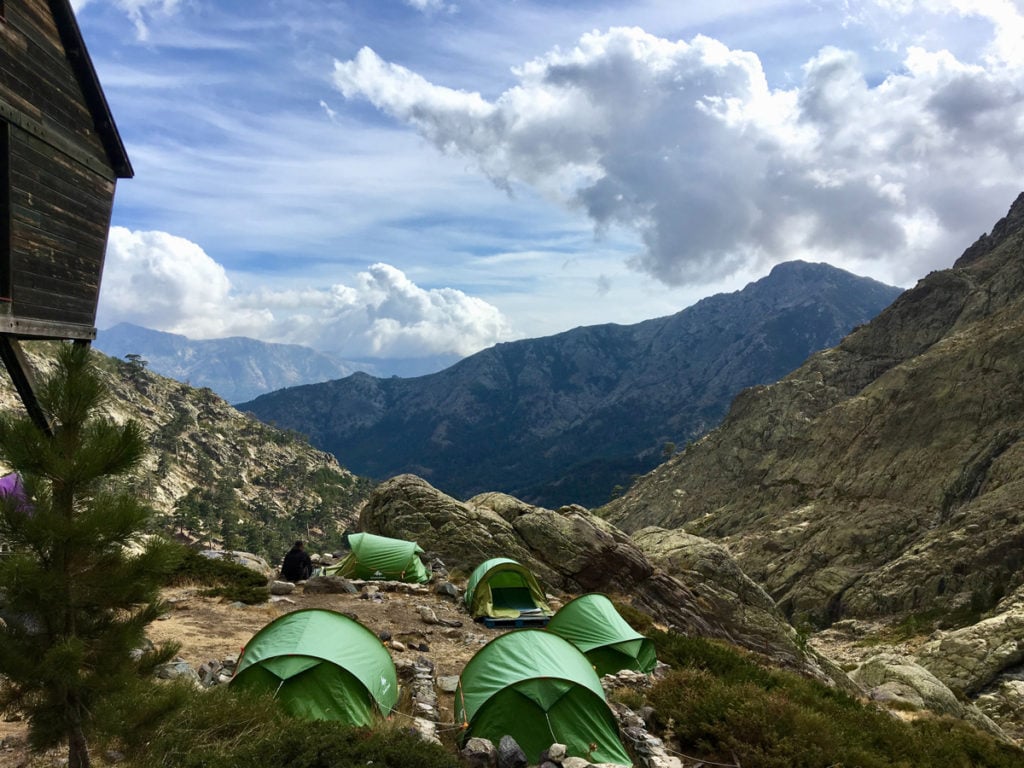
Photo by Jérôme Bertaux on Unsplash
Shoes and other accessories for the GR20
The ideal shoes for the GR20 are shoes designed for the high mountains, with mid-stem or high shaft and which support the ankle well. You can also take shoes designed for trail running. Finally, you can also bring sandals for the bivouac.
In addition to your upper and lower body clothing, it is important to bring several pairs of socks designed for trekking, a pair of gloves, a hat, a neck strap and sunglasses.
Dressing well for the GR20 allows you to walk in the mountains for several days without any problems. Technical clothing is breathable, insulating, weather resistant and shock resistant. They are also versatile and adaptable to all conditions. All you have to do is prepare yourself physically and mentally to tackle the GR20 in good conditions.